
Troubleshooting · 7 min read
Musty Smell When the AC Kicks On: Duct Mold in Bayou-Country Homes
By HVAC Covington LA · Published April 14, 2025 · Updated July 11, 2025
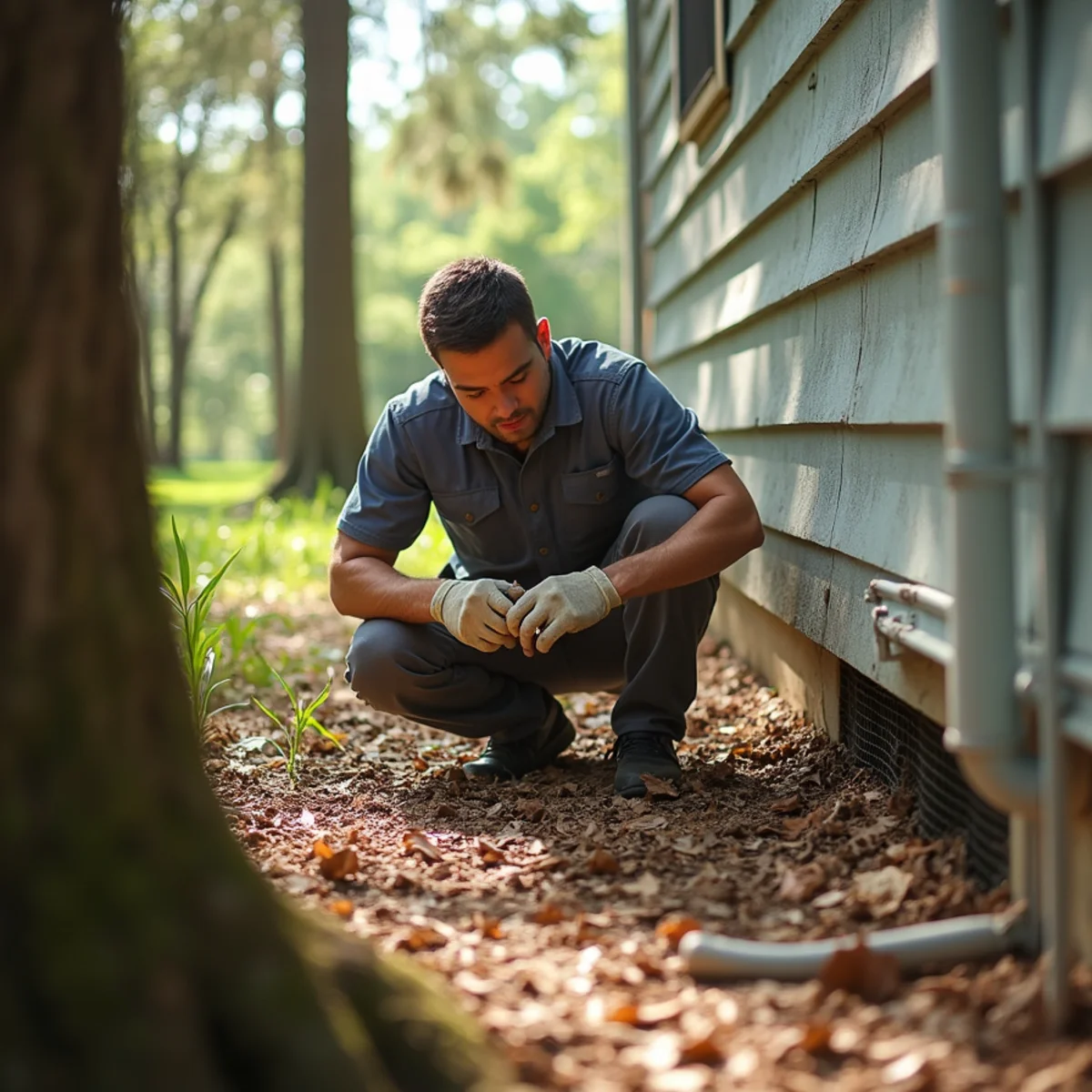
You walk into the house, the AC clicks on, and a wet, musty, gym-sock smell rolls out of the vents for a minute before fading. If you live in Lacombe or anywhere in our bayou country, that odor is one of the most common calls we get, and it almost always traces back to the same thing: microbial growth living inside your cooling system.
The smell is a symptom. Somewhere between your air handler and your registers, mold or bacteria has taken hold on a damp surface, and every time the blower runs it pushes that smell, and those spores, into your living space.
Here is where the odor comes from, why homes down here are so prone to it, and what it takes to actually get rid of it instead of masking it.
Where the smell comes from
The most common source is the evaporator coil and drain pan inside the air handler. That coil is wet whenever the system runs, dust and pollen collect on it, and in our climate it rarely dries out, so it grows mold. The blower then carries the odor through the ducts.
Ducts themselves are the second source, especially if they run through a humid crawlspace or attic and have picked up moisture or dust over the years. A clogged condensate drain holding stagnant water is another classic culprit.
Why bayou-country homes are prone to it
Covington and the surrounding Northshore sit in warm, wet air for most of the year. Average humidity around 72 percent, more than five feet of rain annually, and mild winters mean HVAC systems stay damp and biologically active far longer than in drier climates. Crawlspaces over high groundwater add even more moisture to the mix.
In short, the same conditions that make our summers muggy make the inside of an air conditioner an ideal home for mold.
What it is not, and when to worry
A brief musty puff that clears quickly is different from a persistent, strong odor. A sharp chemical or electrical smell, or a rotten-egg smell, is a different emergency entirely and warrants shutting the system down and calling for help. But the lingering damp-basement smell is the mold signature.
If anyone in the home has worsening allergies, congestion, or asthma that eases when they leave, treat the odor as an air quality issue, not just a nuisance.
How the odor is actually cleared
Air fresheners and scented filters only cover the smell for a day. A lasting fix removes the growth and, just as important, corrects the dampness that let it grow, which in our climate usually means better humidity control.
- Deep-clean the evaporator coil, blower wheel, and drain pan where growth hides
- Flush and treat the clogged condensate line and standing water
- Clean or, where warranted, address contaminated duct sections
- Fix the moisture source: airflow, humidity, and drainage
- Consider UV coil treatment and better filtration to slow regrowth
Keeping the vents smelling clean
Routine maintenance is what keeps the odor from returning. Regular filter changes, a clear condensate drain, an annual coil inspection, and controlled indoor humidity keep the system dry enough that mold cannot get a foothold between visits. If your vents already smell musty, get the coil and drain looked at before it spreads.
What Is That Musty Smell Actually Telling You?
That damp, dirty-sock odor the moment the AC kicks on is your system venting biological growth into the house. In bayou-country homes the source is almost always microbial: mold and bacteria colonizing the wet evaporator coil, the standing water in a slow-draining condensate pan, or damp fiberglass duct insulation. When the blower starts, it pushes air across those colonies and carries the odor, and the spores, straight to your vents. The smell is strongest at startup because the coil is coldest and wettest then, and moisture that sat in the ductwork overnight gets stirred up first thing.
It matters because the smell is the mild symptom, the spores are the real issue. Covington's near-constant humidity means the coil and ducts rarely dry out fully, so growth that starts small becomes persistent. Homeowners often mask it with vent fresheners or duct sprays, which do nothing about the wet coil feeding the problem. The lasting fix is removing the growth at the source, cleaning the coil and blower, clearing the drain, and then controlling the moisture that let it start, so it doesn't recolonize in a month.
Tracking Down the Source of AC Vent Odors
Work from the most common cause to the least before assuming you need whole-duct work.
- Check the condensate pan and drain line for standing water or clogs, the number-one culprit
- Inspect the evaporator coil for visible mold or heavy dust matting the fins
- Replace a damp or overdue air filter and note if the smell fades
- Look for wet or deteriorating duct insulation, especially in crawlspace and attic runs
- Rule out a dry P-trap in the drain letting sewer gas backfeed
- Check that indoor humidity is under control, above 55 percent feeds regrowth
- If odor persists after coil and drain service, schedule a duct inspection for interior growth
Frequently Asked Questions
The most common cause is mold on the damp evaporator coil, drain pan, or in the ductwork. When the blower starts, it pushes that odor and spores through the vents. It usually needs a coil and drain cleaning to resolve.
Services Mentioned
Areas We Serve
Related Reading
Troubleshooting
Mold in Your Air Handler? Covington's Humidity Problem Explained
The dark, damp inside of an air handler is a perfect home for mold in Covington's climate. Here is why it grows, how to spot it, and what actually clears it.
Troubleshooting
Sweating Ducts in the Crawlspace: A Covington High-Water-Table Problem
Ducts that drip and sweat in a Covington crawlspace point to a humidity problem the high water table makes worse. Here is what causes it and how to stop it.
Climate & Storm
62 Inches of Rain a Year: How Covington's Wet Climate Attacks Your HVAC
Covington's wet, humid climate is one of the toughest in the country on HVAC equipment. Here is exactly how the moisture attacks your system and how to defend it.