
Climate & Storm · 9 min read
Hurricane Season HVAC Prep for St. Tammany Parish: The Complete Guide
By HVAC Covington LA · Published May 28, 2025 · Updated August 12, 2025
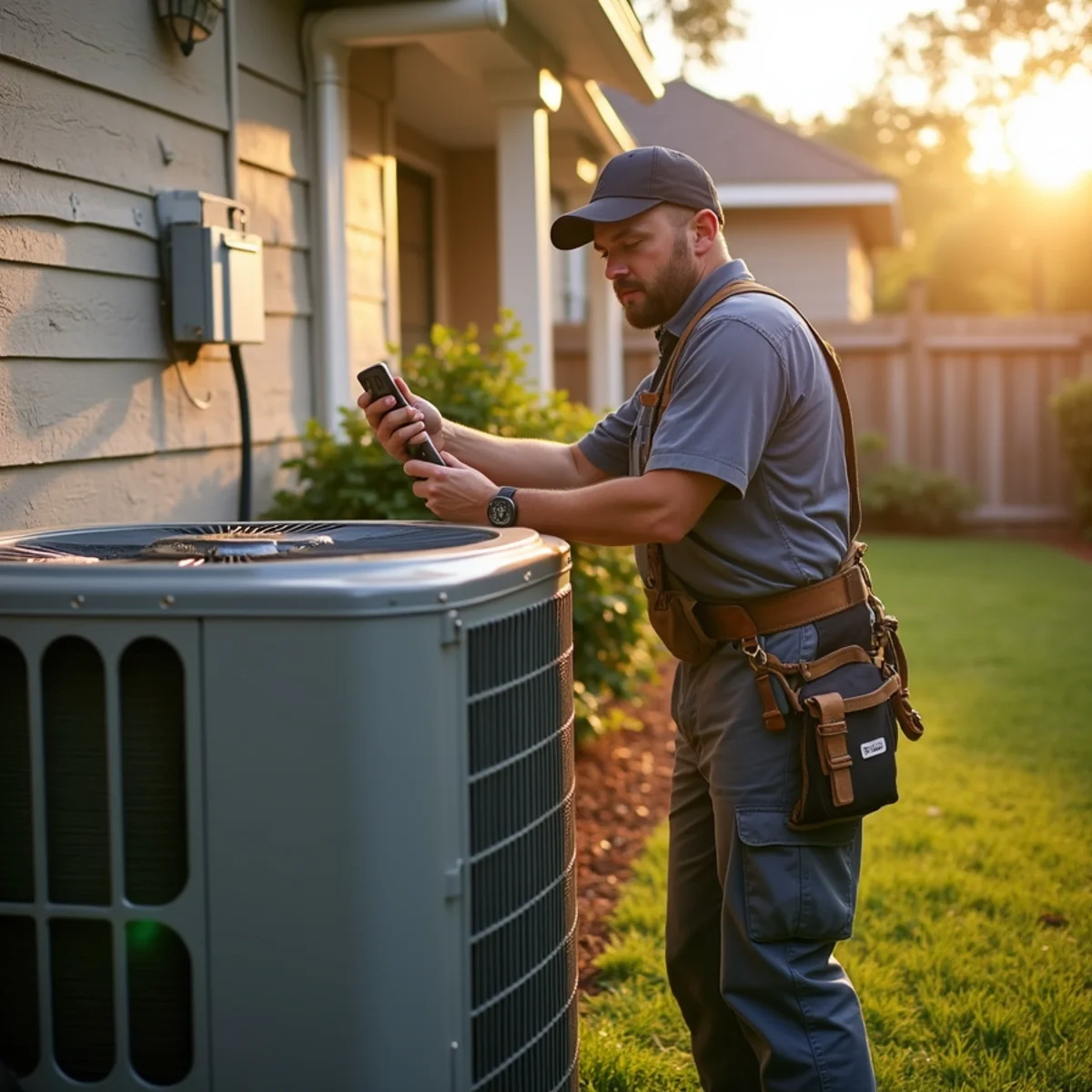
Hurricane season runs June through November, and on the Northshore we plan our summers around it. Homeowners in Slidell and across St. Tammany Parish know the drill for boarding windows and stocking water, but the HVAC system, one of the most expensive things you own, often gets overlooked until it is damaged.
A little preparation protects your equipment from surge, flooding, and flying debris, and just as important, it sets you up to restart safely once power comes back. A wrong restart after a storm can turn a survivable outage into a compressor replacement.
Here is the complete prep guide we give our customers, organized around before the storm, during, and after.
Before the storm: protect the equipment
The single best investment is surge protection combined with a properly anchored condenser. Those two steps prevent the two most common storm losses we see.
- Install whole-home surge protection so grid swings during and after the storm do not fry your control board or compressor
- Have the outdoor unit anchored to its pad with hurricane straps or brackets rated for our wind zone
- Trim branches and clear loose yard items that become projectiles in high wind
- Know how to shut off the system at the thermostat and the breaker
- Photograph your equipment now for insurance, including model and serial plates
The flooding question
St. Tammany floods, from storm surge near the lake to river rise on the Bogue Falaya and Tchefuncte. If your air handler is in a crawlspace or low garage and your outdoor unit sits low, water is a real threat. Elevating equipment above your base flood elevation is the long-term answer, and it matters for both function and insurance.
If a storm surge or flash flood is forecast and you cannot elevate in time, know that any submerged component should be professionally evaluated before it is ever powered back on.
During the storm: shut it down
When the storm is bearing down and especially once you lose or expect to lose power, turn the system off at the thermostat and at the breaker. Running an AC through a brownout or the flickering, unstable power that comes with a storm is how compressors and control boards get killed.
Leaving it off also means that when power is restored, often with a hard surge, your system is not sitting energized and vulnerable. Wait for stable power before restarting.
After the storm: restart safely
Do not rush to flip everything back on the moment the lights return. Power often comes back unstable and surges as the grid stabilizes. Wait until power is steady, then inspect the outdoor unit for debris, shifting, or standing water before restarting.
If the condenser was underwater, was struck by debris, or the air handler got wet, leave it off and have it inspected. Wet electrical components and waterlogged insulation are safety hazards, and the EPA guidance to dry water-damaged materials within 24 to 48 hours means time matters if flooding occurred.
- Wait for stable power before restarting
- Inspect for debris, movement, and water first
- Do not start any unit that was submerged
- Reset the thermostat and listen for abnormal noises on startup
Do not go it alone after damage
Storm damage to HVAC is one thing you should not troubleshoot by trial and error. Repeatedly resetting a breaker on a damaged unit risks fire and further destruction. If your system took a hit, if it will not restart, or if there was any flooding, call for a professional storm damage assessment and 24/7 emergency dispatch at (327) 210-5999. We serve St. Tammany Parish same-day and can tell you fast whether you are looking at a simple restart or a real repair.
Protecting the Outdoor Unit Before and After a St. Tammany Storm
The single most important thing you can do when a named storm approaches St. Tammany Parish is turn your AC completely off at the thermostat and the breaker before the worst winds and any storm surge or flooding arrive. Running the system during a power flicker or brownout is how compressors and control boards die, and a hard restart when utility power bounces back can spike voltage through delicate electronics. Kill the power, and the equipment rides out the storm safely.
Do not strap a tarp tightly over the condenser or box it in, because trapped moisture and blocked airflow cause more corrosion than rain ever will. Instead, secure loose patio items that could become projectiles, and if flooding is a real threat, know that a submerged condenser must be professionally inspected before you ever energize it. After the storm passes and power is stable, wait a bit, then clear debris and pine limbs off the unit before you restore power and restart. A quick post-storm inspection catches bent fins and water intrusion before they become failures.
Your Pre-Season and Pre-Storm HVAC Checklist
Work through this ahead of hurricane season, then hit the storm-specific items whenever a system enters the Gulf.
- Schedule a pre-season tune-up so the system enters storm season in peak condition
- Photograph your equipment and note model and serial numbers for insurance claims
- Confirm the condenser is anchored to its pad with hurricane straps or bolts
- Trim trees and remove dead limbs that could fall on the outdoor unit
- Stock spare air filters in case supply runs are disrupted after the storm
- When a storm threatens, switch off AC at the thermostat and the breaker
- After power is restored and stable, inspect for debris and water before restarting
- Never energize a condenser that was submerged in floodwater until it's professionally cleared
Frequently Asked Questions
Yes. Shut it off at the thermostat and the breaker before or as soon as you lose power. Running through the brownouts and unstable power a storm brings is a leading cause of compressor and control board damage.
Services Mentioned
Areas We Serve
Related Reading
Seasonal Maintenance
Hurricane-Season HVAC Checklist: Straps, Surge Protectors & Shutoffs
A practical, storm-by-storm HVAC checklist for St. Tammany homeowners, covering condenser straps, surge protection, safe shutoffs, and what to do the moment power comes back.
Climate & Storm
Katrina to Ida: How Storm Outages Damage Covington HVAC Systems
From Katrina to Ida, it is often the power outage, not the wind, that kills Covington HVAC systems. Here is how outages cause damage and how to prevent it.
Cost & Financing
Does Flood Insurance Cover HVAC Equipment in Louisiana?
Flood and homeowners policies treat HVAC damage very differently in Louisiana. Here is what flood insurance typically covers and how to document a claim.