
Troubleshooting · 7 min read
Heat Pump Not Heating on a Cold Northshore Morning? Troubleshooting Guide
By HVAC Covington LA · Published February 18, 2025 · Updated June 20, 2025
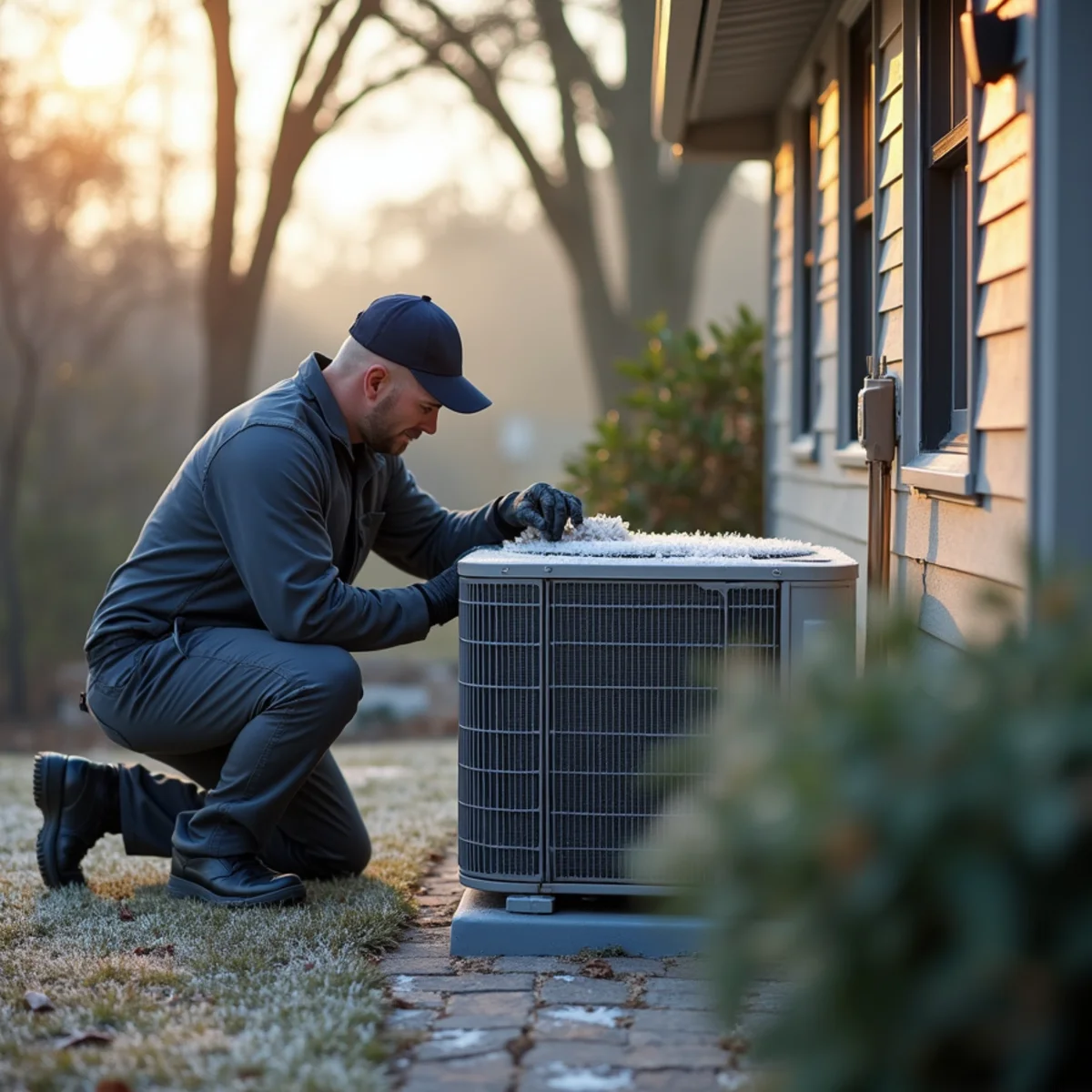
We do not get many hard freezes on the Northshore, but when a cold front pushes through Folsom and northern St. Tammany, temperatures can drop into the 20s and 30s overnight. That is exactly when homeowners call to say their heat pump is running but the air from the vents feels cool, not warm.
A heat pump works differently from a gas furnace. It moves heat rather than burning fuel, and on our coldest mornings it has to work at the edge of its comfort zone. Some of what feels like a failure is actually normal behavior, and some of it is a real fault.
This guide walks through what is normal, what you can check yourself, and when the cool air means it is time to call a technician.
How a heat pump makes heat
In winter, a heat pump reverses the cycle it uses to cool your home in summer, pulling heat out of the outdoor air and moving it inside. Even cold air holds some heat energy for it to extract. Because it is moving heat rather than creating a flame, the supply air is warm but not as blast-furnace hot as a gas furnace, and that alone confuses some homeowners into thinking it is broken.
Normal behavior that looks like a problem
On a frosty morning, your heat pump periodically runs a defrost cycle. It temporarily switches to cooling mode to melt frost off the outdoor coil, and during those few minutes the indoor air can feel cool and you may see steam rising outside. That is by design and ends on its own.
Auxiliary or emergency heat kicking on during a cold snap is also normal, though it uses more electricity, so a higher winter bill during a freeze is expected, not necessarily a fault.
Quick checks before you call
- Confirm the thermostat is set to Heat and above room temperature
- Replace a dirty air filter that may be choking airflow
- Make sure the outdoor unit is clear of leaves, ice, and debris
- Check that no breaker to the air handler or outdoor unit has tripped
- Give a defrost cycle a few minutes to finish before assuming a fault
Signs of a real fault
If the air never warms up across full cycles, the outdoor unit is encased in solid ice that will not clear, the system is stuck in defrost, or you hear grinding or loud clanking, those point to actual failures. A stuck reversing valve, a defrost control problem, low refrigerant from a leak, or a failed auxiliary heat strip all produce persistent cool air.
Because heat pumps handle both heating and cooling, a winter fault often predicts a summer problem too, so it is worth diagnosing rather than limping along.
When to bring in a pro
If the basic checks do not restore warm air, do not keep flipping the breaker or running the system stuck in ice, which can damage the compressor. A technician can test the reversing valve, defrost board, refrigerant charge, and heat strips and tell you exactly what is wrong. Getting it sorted before the next cold front means a warm house when you need it.
Defrost Cycles and Why Cold Northshore Mornings Fool Homeowners
On a 34-degree Covington morning, a heat pump periodically stops heating, blows briefly cool, and steams outside. Many homeowners panic and call this a breakdown, but it is the defrost cycle working exactly as designed. When frost builds on the outdoor coil in our damp cold, the unit reverses to melt it, then returns to heating. It lasts a few minutes. The auxiliary electric heat strips usually kick in to temper the air during defrost, so if you feel a cold blast that never warms, the real fault may be failed backup heat, not the heat pump itself.
The genuine failures we see on cold Northshore mornings are different: a stuck reversing valve that leaves the system in cooling mode, a failed defrost control board that lets ice sheet over the coil, or refrigerant low enough that capacity collapses right when you need it most. Because our winters are short, these faults often go unnoticed until the first real cold snap, which is exactly why a fall check-up catches them before you are shivering.
Cold-Morning Heat Pump Troubleshooting Steps
Before assuming the worst on a frosty morning, work through these checks, several of which you can do yourself.
- Confirm the thermostat is set to heat and the setpoint is above the current room temperature.
- Wait 10 minutes to rule out a normal defrost cycle before concluding it has failed.
- Check that emergency or auxiliary heat is available and the breaker for the heat strips is on.
- Inspect the outdoor unit for a solid sheet of ice, which signals a defrost or airflow fault.
- Replace a dirty filter, since restricted airflow cripples heating capacity.
- Listen for the reversing valve shifting; a system stuck blowing cold air may have a valve fault.
- Set the thermostat to emergency heat as a temporary measure while you await service on a failed heat pump.
Frequently Asked Questions
Often it is a normal defrost cycle. The unit briefly switches to cooling to melt frost off the outdoor coil, so indoor air feels cool for a few minutes and steam may rise outside. It ends on its own within a short time.
Services Mentioned
Areas We Serve
Related Reading
Seasonal Maintenance
Fall Heating Checklist: Prep Your Covington Heat Pump for Winter Snaps
Most of a Covington year is cooling, but a January cold snap will expose a neglected heat pump. Here is the fall checklist to make sure heat is there when you need it.
Climate & Storm
Covington's 1990s Builder-Grade AC Systems Are Hitting Replacement Age
A wave of Covington homes built in the 1990s are running original or first-replacement AC systems well past their prime. Here is how to know when yours is done.