
Climate & Storm · 8 min read
Covington's 1990s Builder-Grade AC Systems Are Hitting Replacement Age
By HVAC Covington LA · Published February 25, 2025 · Updated June 30, 2025
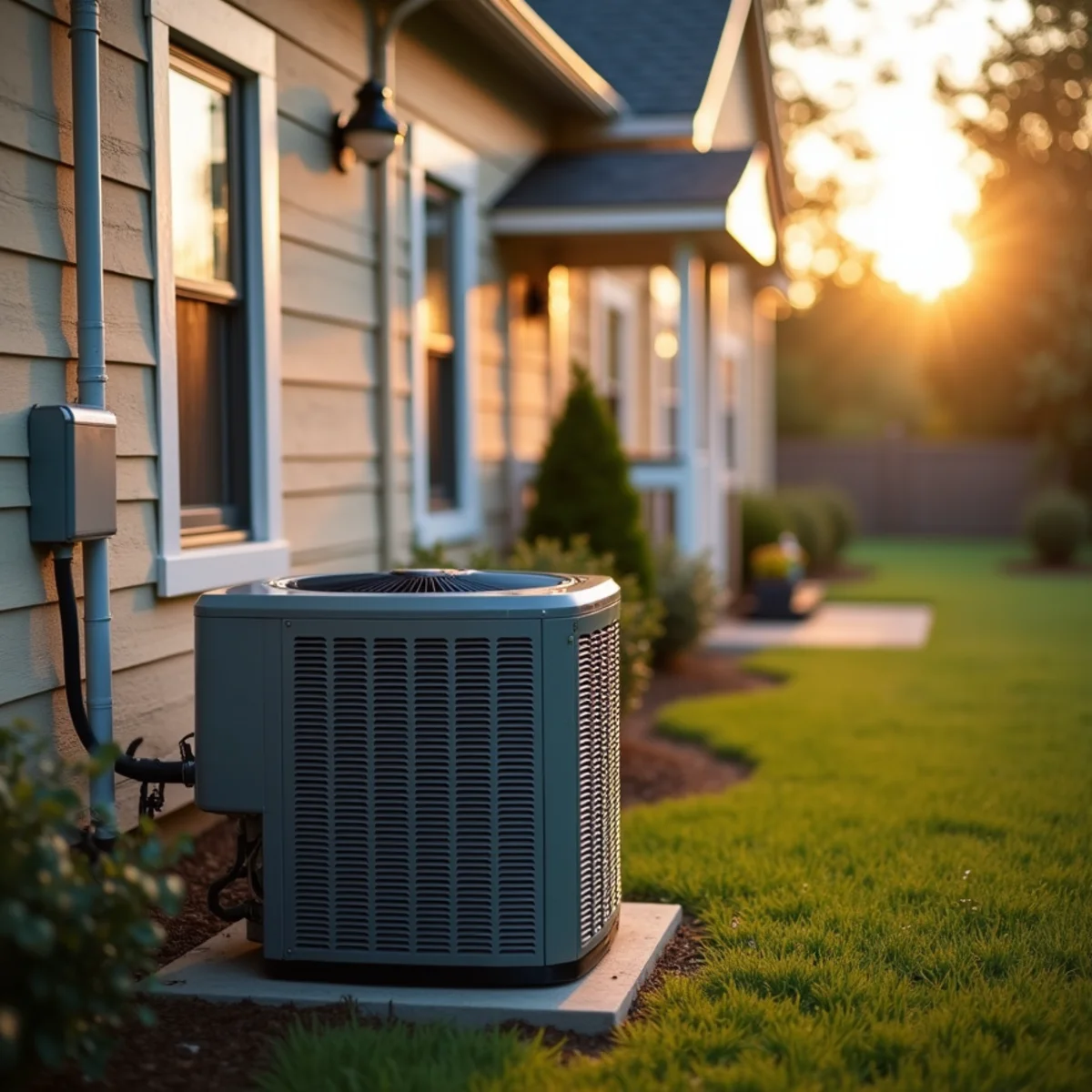
A lot of Covington's subdivisions, Northpark, Covington Point, and the neighborhoods that filled in during the building boom, went up in the 1990s and early 2000s. The builder-grade HVAC systems that came with those homes were built to a price, not to last forever, and even the ones that were replaced once are now aging out again.
In our climate, an air conditioner works harder and lives shorter than the national average. The heat, the year-round humidity, the salt and pollen in the air, and the storm-driven power stress all add up. A system that might see 15 to 20 years up north often gives out sooner here.
If your home is that age and on its original or first-replacement system, here is how to judge whether it is time to plan a replacement rather than keep pouring money into repairs.
Why Northshore systems age faster
Every stressor our climate throws at HVAC shortens equipment life. Long cooling seasons mean more runtime hours per year. Humidity feeds coil corrosion and mold. Pine pollen and lake air foul and eat the outdoor coil. Storm outages and surges hammer the electronics. A builder-grade unit facing all of that simply does not reach the lifespan the brochure promised.
That is why we routinely see 1990s and early-2000s Covington systems needing replacement now, some on their original equipment, many on a first replacement that is itself aging out.
Signs your system is at the end
Any one of these alone is not a verdict, but several together usually mean you are spending good money to keep a losing system alive.
- It is 12 to 15-plus years old and needs increasingly frequent repairs
- It still uses R-22 refrigerant, which is phased out and expensive to service
- Repair quotes are climbing toward a large fraction of replacement cost
- Cooling is weaker and the house feels humid no matter what
- Energy bills keep rising even with maintenance
The R-22 factor
Systems from the 1990s and early 2000s often run on R-22 refrigerant, which is no longer produced and has become very expensive when a leak needs a recharge. If your aging unit develops an R-22 leak, the refrigerant cost alone can push a repair past the point where replacement makes more sense.
Newer systems use current refrigerants and, thanks to SEER2 efficiency standards, cool more per dollar of electricity, which matters over our long cooling season.
Repair versus replace math
A useful rule of thumb: when a repair costs a large share of a new system and the equipment is already well past a decade old, replacement is usually the smarter money. Published local benchmarks put AC replacement in the range of $3,000 to $9,000 depending on size, efficiency, and access, and these are non-binding estimates, not quotes.
Financing options and the energy savings from a modern, right-sized, corrosion-resistant system often make replacement easier to absorb than another round of major repairs on a dying unit.
Plan it, do not get caught
The worst time to replace an AC is the day it dies in an August heat wave, when you are making a rushed decision under pressure. If your Covington home is on a 1990s or early-2000s system, get an honest assessment now while you have time to plan and choose equipment suited to our climate. Call (327) 210-5999 to schedule an evaluation and talk through replacement and financing options before the next breakdown makes the choice for you.
Why 1990s Builder-Grade Systems Fail Fast on the Northshore
The subdivisions that went up around Covington in the 1990s were built with the cheapest code-minimum HVAC the builders could install, and thirty years of Louisiana climate has caught up with them. These single-stage, low-SEER units were never designed for humidity control, so they short-cycle and leave homes clammy, and they've spent three decades running nearly year-round in salt-tinged, moisture-heavy air that corrodes coils and cabinets far faster than in a dry climate. Many are still running on R-22 refrigerant, which is no longer produced, so a single leak now means a repair bill that rivals a chunk of a new system with no long-term future.
The tell isn't just age, it's the pattern. When a 1990s system starts needing a capacitor one summer, a compressor contactor the next, and a coil leak after that, you're funding the slow failure of a unit that was never efficient to begin with. A modern 14.3 or 15-plus SEER2 system with a two-stage compressor typically cuts cooling costs meaningfully in our long season while finally controlling humidity. For most Covington homeowners with an original builder-grade unit, the honest math is that repairs past a certain point are throwing good money after a system that's already three decades into a hard climate.
Signs Your 1990s Covington System Has Hit Replacement Age
A few of these together usually mean replacement beats another repair, especially on an original builder-grade unit.
- The system still uses R-22 refrigerant, making leak repairs increasingly expensive
- Repair costs are climbing and you've had multiple failures in recent seasons
- Energy bills keep rising even though your usage hasn't changed
- The house never feels comfortable, it's cold but clammy in summer
- The condenser coil or cabinet shows significant rust and corrosion
- The unit is 15-plus years old, past the typical Gulf Coast service life
- It short-cycles or struggles to keep up during peak Louisiana heat
Frequently Asked Questions
Often less than the national average of 15 to 20 years. Our long cooling season, humidity, salt and pollen, and storm-driven power stress all shorten equipment life, so many builder-grade Covington systems from the 1990s and early 2000s are aging out now.
Services Mentioned
Areas We Serve
Related Reading
Cost & Financing
AC Replacement Cost in St. Tammany Parish: What Homeowners Really Pay
A straight look at 2025 AC replacement costs in St. Tammany Parish — the benchmark range, what moves the number, and how our climate factors in.
Cost & Financing
HVAC Financing in Covington, LA: Options for Every Budget
A new system is a big expense, and few Covington families have thousands sitting idle. Here is a plain look at HVAC financing options and how to choose one.
Troubleshooting
Why Condenser Coils Corrode Faster Near Lake Pontchartrain
Homes near Lake Pontchartrain lose condenser coils to corrosion years before inland homes. Here is why the lake air is so hard on your AC and how to fight back.