
Seasonal Maintenance · 7 min read
Fall Heating Checklist: Prep Your Covington Heat Pump for Winter Snaps
By HVAC Covington LA · Published August 14, 2025 · Updated August 19, 2025
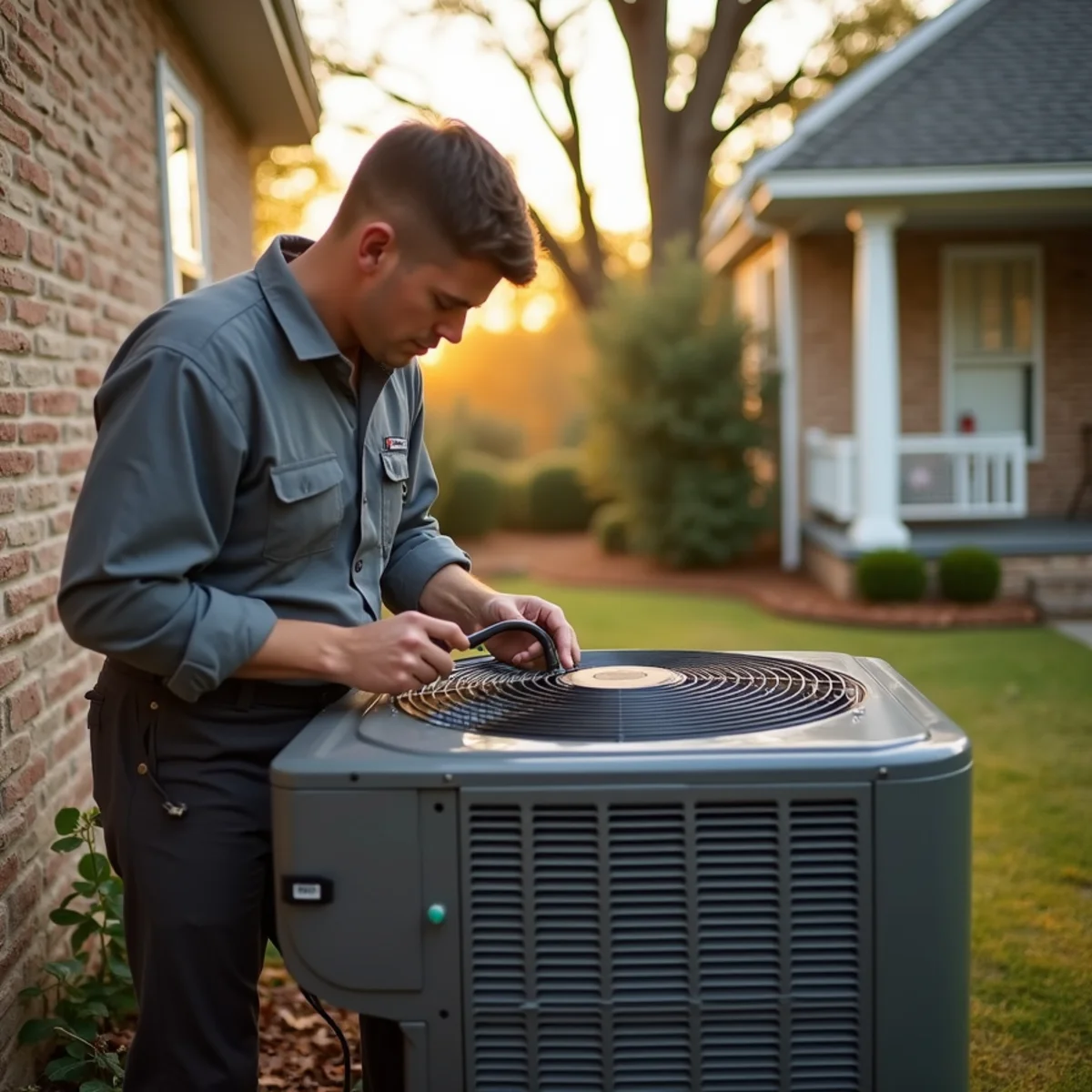
Heating is an afterthought for most of the year on the Northshore. We run air conditioning from March into November, and then a hard freeze rolls down from the north in December or January and everyone reaches for the thermostat at once. That is exactly when neglected heat pumps fail, and it is the worst time to discover it.
Covington almost always heats with a heat pump rather than a furnace, and a heat pump that sat idle all summer can hide a bad reversing valve, a weak defrost cycle, or failed backup strips until the first cold night puts them to the test.
A short fall checklist keeps you from calling for no-heat service when the temperature drops to 28 and every crew in St. Tammany is already booked. Here is what to check before winter.
Test heat before you need it
The simplest and most important step is to run the system in heating mode on a cool morning in October or November, long before a real cold snap. Set the thermostat above room temperature and confirm you actually get warm air from the vents within a few minutes.
If the air is lukewarm, if the backup heat kicks on immediately, or if you smell a faint burning odor that does not clear after the first cycle, note it now. A daytime diagnostic in November beats a midnight no-heat call in January every time.
Understand how a heat pump heats here
A heat pump does not burn fuel, it moves heat, running your AC in reverse to pull warmth from outdoor air into the house. When it gets near freezing, the outdoor coil can frost over and the unit runs a defrost cycle, briefly blowing cooler air while it clears the ice. That is normal.
On the coldest Northshore nights, electric backup heat strips supplement the heat pump. Those strips draw a lot of power, so if your system leans on them when it should not, your December bill spikes. A fall check confirms the heat pump is doing the heavy lifting and the backup only fills in when it should.
The fall heat pump checklist
Some of these you can do yourself, others are part of a professional visit.
- Replace the air filter so heating airflow starts clean
- Clear leaves, pine straw, and debris from around the outdoor unit
- Test heating mode early and confirm warm air at the vents
- Verify the defrost cycle runs and clears frost properly
- Confirm backup heat strips energize on a call for auxiliary heat
- Check the thermostat, and if it has an emergency heat setting, know where it is
- Listen for grinding, buzzing, or the compressor short-cycling
Do not ignore the outdoor unit in winter
Because the heat pump absorbs heat from outside air, the outdoor unit runs in winter too, unlike a furnace home. Keep it clear of leaves and yard debris, and never stack anything against it or cover it while it is in use. Airflow around that coil is what lets it pull heat on a cold night. If ice builds up and never clears, that is a defrost problem, not a normal cycle, and it needs service.
Get ahead of the first freeze
Louisiana cold snaps are short but sharp, and they always seem to arrive on a holiday weekend. A fall heat pump check catches a weak reversing valve, a failing capacitor, or dead backup strips while it is still a scheduled repair. If your system struggled last winter, or you have never had the heating side checked, call HVAC Covington LA at (327) 210-5999. We will make sure the heat is there before the first cold front does the testing for you.
Why Fall Prep Matters More for a Rarely-Used Heat Pump
A Covington heat pump loafs through summer in cooling mode and then, on the first real cold snap, is suddenly asked to reverse and heat for the first time in months. Components that sat idle, the reversing valve, the defrost control, the electric auxiliary heat strips, are exactly the parts most likely to fail on that first cold morning because they have not moved since spring. Fall is when you exercise and verify them, before you actually need them. This is different from a northern climate where the furnace runs constantly and problems surface gradually.
The auxiliary heat strips deserve special attention here. Because they run so rarely on the Northshore, a failed strip or a tripped high-limit often goes unnoticed until a homeowner feels cold air during a defrost cycle in January. Testing that backup heat energizes in the fall, along with confirming the reversing valve shifts cleanly into heat mode, prevents the classic no-heat call on the coldest night of the year when every technician in the parish is booked solid.
Fall Heat Pump Readiness Checklist
Run through this before the first cold front so a surprise freeze does not catch your system unprepared.
- Switch the thermostat to heat on a cool day and confirm warm air within a few minutes.
- Verify the reversing valve shifts cleanly and the system does not stay stuck in cooling.
- Test that auxiliary or emergency heat energizes and the heat-strip breaker is on.
- Replace the air filter so winter airflow is not restricted from summer buildup.
- Clear leaves and debris from the outdoor coil, which the unit needs for heat absorption.
- Check the outdoor unit sits level and drains, so defrost meltwater does not pool and refreeze.
- Listen for unusual noises on first heating startup and note them for a technician.
- Schedule a professional tune-up, typically $100-250, before the first hard freeze books up the calendar.
Frequently Asked Questions
That is usually a normal defrost cycle. When the outdoor coil frosts over near freezing, the unit briefly reverses to melt the ice, blowing cooler air for a few minutes before returning to heat. If it blows cool air constantly, though, that points to a problem worth checking.
Services Mentioned
Areas We Serve
Related Reading
Troubleshooting
Heat Pump Not Heating on a Cold Northshore Morning? Troubleshooting Guide
When a Northshore cold snap hits and your heat pump blows cool air, here is how to tell a normal defrost cycle from a real problem, and what to check.
Seasonal Maintenance
Spring AC Tune-Up Checklist for Covington, LA Homeowners
What a real spring AC tune-up covers on the Northshore, why pine pollen and humidity make it non-negotiable, and the checks you can do yourself before we arrive.