
Commercial · 8 min read
Restaurant HVAC in Historic Downtown Covington: Ventilation & Comfort
By HVAC Covington LA · Published May 8, 2025 · Updated July 28, 2025
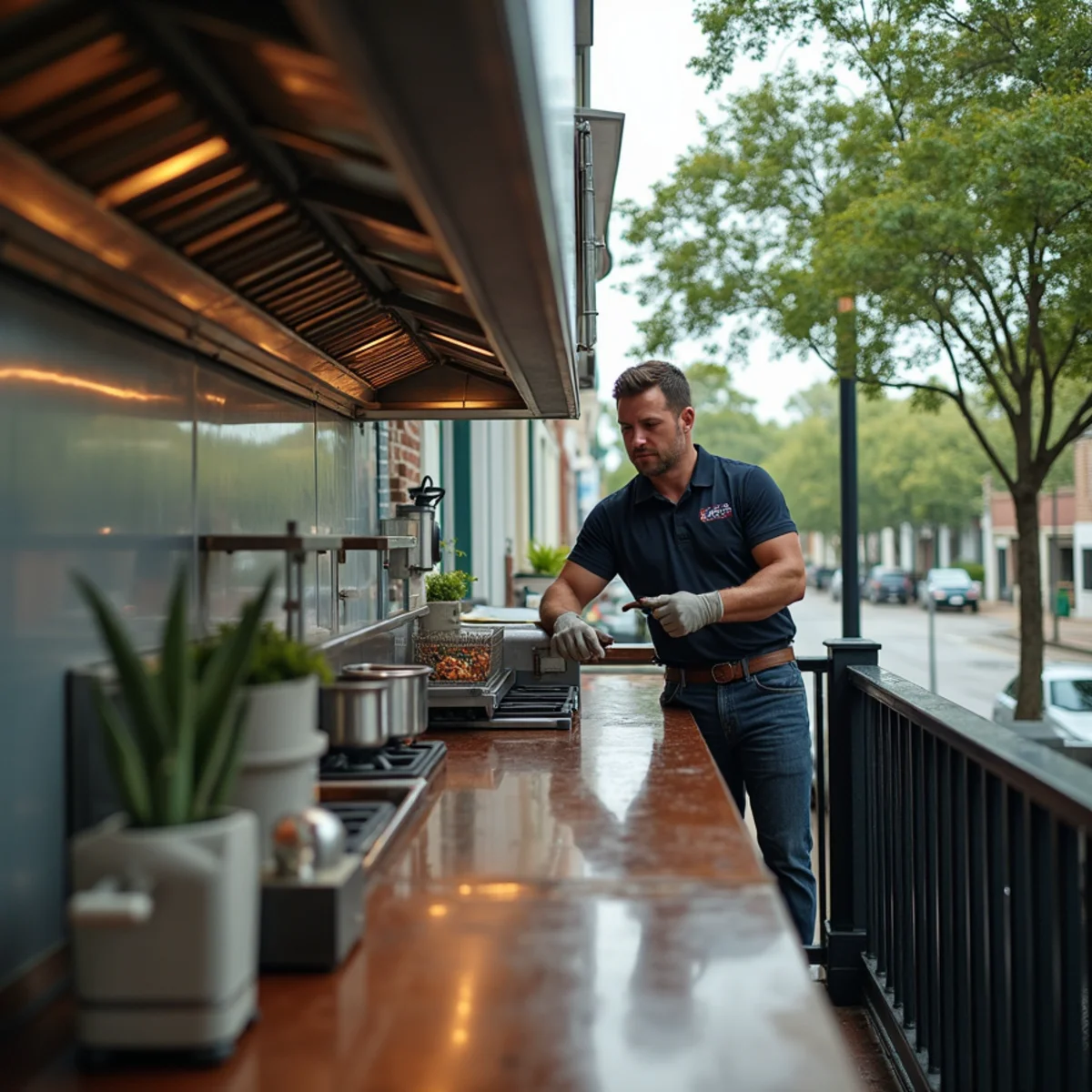
Downtown Covington's dining scene, from the spots along Columbia Street to the corners of the historic district, runs on more than good food. It runs on air. A restaurant kitchen throws off enormous heat, the exhaust hoods pull huge volumes of air out of the building, and somehow the dining room still has to feel cool and comfortable to a table of guests on a humid July evening.
That balancing act is one of the hardest jobs in commercial HVAC, and it gets harder in the older buildings that give downtown its character. Many were never designed for modern commercial kitchen loads, so the ventilation and air balance have to be engineered, not guessed.
Here is how restaurant HVAC works in historic downtown Covington, and where operators most often run into trouble.
Exhaust and makeup air have to balance
The kitchen hood pulls a massive amount of air out of the building to carry away heat, smoke, and grease-laden vapor. If you do not replace that air on purpose, the building goes negative, and you feel it: doors that are hard to open, back drafts, outdoor humidity pulled in through every gap, and a hood that stops capturing smoke the way it should.
Makeup air units exist to replace what the hood removes, tempered so you are not dumping raw 92-degree Gulf Coast air into the space. Getting exhaust and makeup air balanced is the foundation of a comfortable, code-compliant restaurant. When comfort complaints and smoky kitchens show up together, air balance is usually the culprit.
Keeping the dining room comfortable
Guests judge comfort in seconds. A dining room that is muggy, drafty, or unevenly cooled hurts the experience no matter how good the meal is. The challenge is that the dining room shares a building with a kitchen that is fighting to expel heat and air.
- Separate, well-controlled zoning for kitchen and dining areas
- Cooling sized for full occupancy plus body heat on a busy night
- Humidity control so the room feels crisp, not clammy
- Attention to entry doors and drafts that undercut comfort near the front
Old buildings, modern loads
Historic downtown buildings bring charm and challenges in equal measure. Original construction, limited rooftop or mechanical space, and existing ductwork rarely match the demands of a modern kitchen. Squeezing the right equipment into a protected old structure takes planning, and sometimes creative routing.
These buildings also tend to be leakier, which interacts badly with kitchen exhaust pulling the space negative. Sealing, thoughtful equipment placement, and correctly sized makeup air matter even more here than in a new build off the highway.
Humidity, grease, and maintenance realities
Our climate and a commercial kitchen are both brutal on equipment. High humidity drives coil corrosion, and grease-laden kitchen air fouls hoods, filters, and exhaust fans faster than any office. Neglect turns into fire risk, failed inspections, and downtime.
- Regular hood and exhaust cleaning to manage grease and fire risk
- Frequent filter service given kitchen air quality
- Coil cleaning to fight humidity-driven corrosion
- Condensate drain checks so summer moisture does not back up
- Pre-season rooftop inspections before the cooling peak
Downtime is lost revenue
For a restaurant, an HVAC failure during service is not an inconvenience, it is lost covers and a room full of uncomfortable guests. A maintenance plan with priority response keeps the exhaust pulling, the makeup air flowing, and the dining room cool through a Covington summer.
Whether you are opening a new concept downtown, fighting a hot dining room, or dealing with a kitchen that never seems to clear smoke, the fix usually comes down to getting exhaust, makeup air, and comfort cooling in balance. Call HVAC Covington LA at (327) 210-5999, and we will help keep your restaurant comfortable, compliant, and open.
The Make-Up Air Problem in Historic Downtown Buildings
Downtown Covington's restaurants often occupy century-old buildings never designed for a commercial kitchen's airflow. When a large exhaust hood pulls hundreds of cubic feet of air out of the kitchen every minute, that air has to be replaced, and in these tight historic structures it gets replaced by pulling conditioned air from the dining room and unconditioned air through every gap in the envelope. The result is a dining room that runs negative pressure: doors that are hard to open, drafts, temperature swings, and a comfort system that can never keep up because it is constantly conditioning air being sucked into the kitchen.
The fix is a properly sized make-up air unit that delivers tempered replacement air to balance the exhaust, so the dining-room AC is not fighting a losing battle. In our climate that make-up air also has to be dehumidified, or you trade a comfort problem for a moisture problem, with condensation on cold surfaces and a clammy dining room. Balancing exhaust, make-up air, and comfort cooling as one system is the difference between a downtown restaurant that feels crisp and one that feels like the swamp outside.
HVAC Priorities for a Downtown Covington Restaurant
Whether you are opening a new spot or fixing an inherited system, address these in order for a comfortable, code-worthy setup.
- Size make-up air to match kitchen exhaust so the dining room does not run negative pressure.
- Temper and dehumidify incoming make-up air rather than dumping raw humid outside air inside.
- Zone the kitchen and dining room separately so kitchen heat does not overwhelm guest comfort.
- Add dedicated dehumidification for shoulder seasons when cooling runs less but humidity stays high.
- Plan for the electrical and structural limits of a historic building before adding rooftop equipment.
- Keep exhaust hood, make-up air, and comfort systems commissioned and balanced together, not piecemeal.
- Schedule frequent filter and coil service, since kitchen grease loads coils far faster than a home system.
Frequently Asked Questions
It usually means the kitchen exhaust is pulling more air out than the makeup air system is replacing, putting the building negative. That drags in outdoor humidity and creates drafts at the doors. Balancing exhaust and makeup air is the fix, along with proper dining-room zoning.
Services Mentioned
Areas We Serve
Related Reading
Commercial
Commercial HVAC for Covington's Northpark Corridor Offices
What Northpark corridor offices need from commercial HVAC on the Northshore: reliable rooftop units, smart zoning, humidity control, and a maintenance plan that prevents downtime.
Commercial
Medical & Office HVAC: Serving Covington's Ochsner-District Businesses
Medical and professional buildings near Covington's Ochsner district need tight temperature, humidity, and air-quality control with near-zero downtime. Here is what that takes.